The Current State of the Wireless Industry in the USA: Trends and Insights
Blog post description.
DRG
12/14/20243 min read
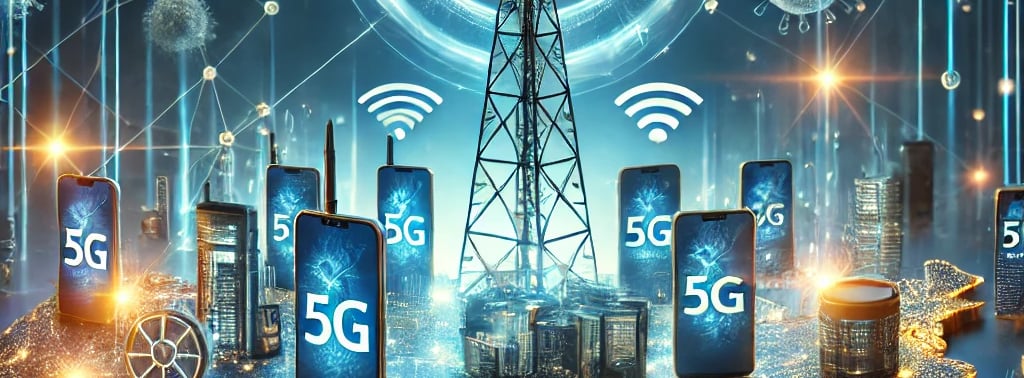
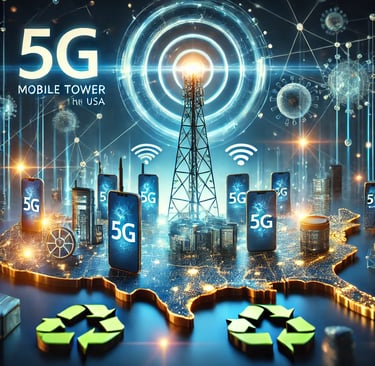
The wireless industry in the United States is one of the most dynamic and transformative sectors of the economy. With over 300 million active mobile users, the industry is constantly evolving to meet the demands of consumers, businesses, and technological advancements. From 5G rollouts to shifts in consumer behavior, let’s take a closer look at the key trends and challenges shaping the wireless industry in the USA today.
1. 5G Adoption is Transforming Connectivity
The rollout of 5G networks across the U.S. has marked a significant milestone in wireless technology. Offering lightning-fast speeds, lower latency, and improved capacity, 5G is reshaping how Americans use their devices.
• Expansion: Major carriers like Verizon, AT&T, and T-Mobile continue to expand their 5G networks, with coverage reaching rural areas and smaller cities.
• Applications: 5G is fueling innovations in areas like autonomous vehicles, smart cities, remote healthcare, and augmented reality.
• Consumer Uptake: While adoption is steadily increasing, a significant portion of users are still transitioning from 4G to 5G-compatible devices.
2. The Push for Sustainability
As environmental concerns grow, the wireless industry is embracing sustainability efforts to reduce its ecological impact.
• E-Waste Management: Carriers and retailers are promoting device recycling and trade-in programs to minimize electronic waste.
• Energy Efficiency: 5G networks are designed to be more energy-efficient than previous generations, aligning with green initiatives.
• Circular Economy: The rise of refurbished and used devices supports a sustainable lifecycle for wireless technology.
3. The Competitive Carrier Landscape
The U.S. wireless market is dominated by a few major players—Verizon, AT&T, and T-Mobile—accounting for most market share. However, smaller carriers and Mobile Virtual Network Operators (MVNOs) are gaining traction.
• MVNO Growth: Providers like Mint Mobile and Google Fi offer affordable plans, appealing to cost-conscious consumers.
• Carrier Strategies: Intense competition has led to innovative pricing models, such as unlimited data plans and family bundles.
• Consolidation Trends: Mergers and acquisitions continue to reshape the market, as seen with the T-Mobile and Sprint merger.
4. Changing Consumer Behavior
The pandemic accelerated shifts in how Americans use wireless services, and these changes continue to influence the industry:
• Remote Work and Learning: Increased reliance on mobile networks for remote connectivity has heightened demand for reliable services.
• Streaming and Content Consumption: Mobile devices have become primary tools for video streaming, gaming, and social media engagement.
• Device Upgrade Cycles: Consumers are holding onto devices longer, emphasizing the importance of trade-in and upgrade incentives.
5. Challenges Facing the Industry
While the wireless industry is thriving, it also faces significant challenges that impact its growth and evolution:
• Spectrum Allocation: Competition for spectrum among carriers, broadcasters, and other industries remains a contentious issue.
• Cybersecurity Risks: As networks become more advanced, protecting user data and preventing cyberattacks is a top priority.
• Affordability and Access: Bridging the digital divide in underserved areas continues to challenge carriers and policymakers.
6. Emerging Technologies and the Future
The wireless industry is at the forefront of technological innovation, paving the way for groundbreaking advancements:
• IoT Expansion: The Internet of Things (IoT) is driving connectivity in smart homes, healthcare, agriculture, and transportation.
• Private 5G Networks: Businesses are adopting private 5G networks to enhance operational efficiency and data security.
• AI Integration: Artificial intelligence is improving network management, customer service, and predictive analytics.
7. The Role of Policymakers
Federal and state governments play a crucial role in shaping the future of the wireless industry:
• Infrastructure Investment: The Bipartisan Infrastructure Law has allocated funds to expand broadband and mobile connectivity in rural areas.
• Net Neutrality Debates: Policies on internet regulation continue to influence how carriers operate.
• Digital Equity Initiatives: Efforts to provide affordable wireless access to underserved populations are gaining momentum.
Conclusion
The wireless industry in the USA is a cornerstone of modern life, driving innovation, connectivity, and economic growth. As the industry evolves, the focus on 5G adoption, sustainability, consumer needs, and emerging technologies will define its trajectory. While challenges remain, the opportunities for innovation and expansion are boundless.
Whether it’s enabling remote work, advancing smart cities, or connecting rural communities, the wireless industry is shaping the future of communication in America.
Interested in learning more about wireless trends or how refurbished devices fit into the equation? Explore our services and join the conversation!