The Impact of Used Cellphone Remarketing on the U.S. Economy
Blog post description.
DRG
12/15/20243 min read

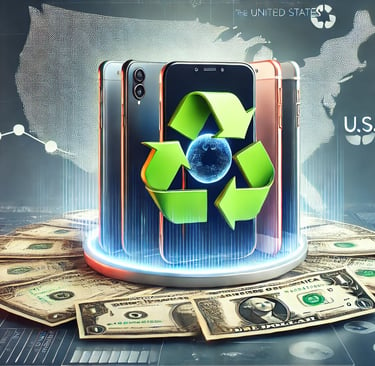
The used cellphone remarketing industry is rapidly gaining momentum in the United States, fueled by economic factors, technological advancements, and a growing emphasis on sustainability. This sector not only provides consumers with affordable access to technology but also significantly contributes to the U.S. economy in terms of job creation, revenue generation, and environmental benefits. Here’s a closer look at how used cellphone remarketing is shaping the U.S. economy.
1. Boosting Consumer Savings
In a time when flagship smartphones can cost upwards of $1,000, refurbished and pre-owned cellphones offer a budget-friendly alternative for millions of Americans.
Economic Benefits
• Increased Purchasing Power: Refurbished devices allow consumers to save money while accessing high-quality technology.
• Affordability for All: Families, students, and small businesses benefit from affordable tech, narrowing the digital divide.
Example:
A refurbished iPhone 12, priced 30-50% lower than a new one, makes premium technology accessible to a wider audience without compromising on functionality.
2. Job Creation in the Refurbishment Industry
The remarketing process—spanning trade-ins, diagnostics, repairs, and resale—creates employment opportunities across the supply chain.
Key Sectors Benefiting
• Refurbishment Centers: Skilled technicians are in demand for repairing and grading devices.
• Logistics and Warehousing: Companies managing the movement and storage of used devices employ a significant workforce.
• E-commerce Platforms: Online marketplaces specializing in used phones generate jobs in IT, marketing, and customer service.
Statistics:
In 2023, the U.S. secondary smartphone market was valued at over $9 billion, with tens of thousands of jobs created by refurbishing and resale activities.
3. Strengthening Small Businesses
Used cellphone remarketing empowers small businesses, many of which operate locally or focus on niche markets. From mom-and-pop repair shops to independent e-commerce sellers, these businesses thrive in the refurbished device ecosystem.
How Small Businesses Benefit
• Trade-In Partnerships: Retailers and repair shops collaborate with remarketers to manage used inventory.
• Local Economic Growth: Small businesses contribute to local job markets and keep money circulating within communities.
4. Sustainability and Economic Impact
E-waste poses a significant challenge to the environment, with millions of phones discarded annually. Remarketing used devices not only reduces e-waste but also aligns with broader economic sustainability goals.
Economic Value of Sustainability
• Cost Savings: Recycling components from used devices reduces the need for raw materials like rare earth metals, cutting costs for manufacturers and remarketers.
• Incentives: Federal and state initiatives offer tax breaks and subsidies for businesses involved in recycling and remarketing.
Consumer Perspective:
Eco-conscious buyers are increasingly choosing refurbished devices, further driving demand and revenues in this sector.
5. Trade-In Programs and Corporate Benefits
Trade-in programs, promoted by carriers and manufacturers, are a cornerstone of the U.S. remarketing industry. These programs benefit both corporations and the economy at large.
Corporate Contributions
• Revenue Growth: Companies generate recurring revenue streams by reselling trade-in devices.
• Data Security Services: Businesses specializing in wiping corporate devices before resale contribute to the tech economy.
Economic Ripple Effect
With millions of trade-ins annually, devices flow into refurbishment pipelines, stimulating economic activity across the supply chain.
6. Driving International Trade
The U.S. is not only a hub for domestic remarketing but also a key player in the global trade of used devices. Many refurbished phones are exported to emerging markets, creating international trade opportunities.
Economic Implications
• Export Revenue: The U.S. earns significant revenue by selling refurbished devices to countries in Asia, Africa, and Latin America.
• Strengthening Trade Relationships: Remarketing fosters stronger economic ties with developing nations seeking affordable technology.
7. Innovation and Technological Development
The growth of the remarketing industry has spurred innovations in diagnostics, repair technology, and grading systems. These advancements help U.S. companies maintain a competitive edge globally.
Economic Benefits
• Increased Efficiency: Automated diagnostic tools reduce costs and improve productivity.
• R&D Investments: Companies invest in developing technologies to streamline refurbishment processes, creating high-value jobs.
8. Consumer Trust and Economic Stability
Certified pre-owned programs and transparent grading systems have increased consumer confidence in buying refurbished phones. This trust boosts sales and stabilizes the market, contributing to a resilient segment of the economy.
Conclusion
The used cellphone remarketing industry is more than just a tech trend—it’s a powerful driver of economic growth, sustainability, and innovation in the United States. By creating jobs, fostering small businesses, promoting sustainability, and strengthening trade, this sector is playing a pivotal role in shaping the future of the U.S. economy.
As consumer demand for affordable and eco-friendly technology grows, the remarketing industry is poised to remain a cornerstone of the American economy for years to come. Businesses and policymakers alike have an opportunity to harness its potential and drive meaningful economic and environmental impact.